By way of Decision No. 175 of February 13, 2026, the Council of Ministers submitted a proposal to the National Assembly for the denunciation of the Energy Charter Treaty (the “Treaty”) and its related Protocol on Energy Efficiency and Related Environmental Aspects, signed in Lisbon in 1994.
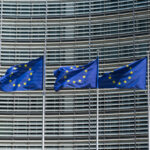
This move is not an isolated national decision, but part of a coordinated European strategy driven by shifting energy policies and environmental standards across the continent. Bulgaria’s withdrawal process is a direct consequence of the EU Council’s decisions from May 2024, which approved the withdrawal of the Union itself and Euratom from the Treaty.
This step also follows formal letters sent by the European Commission on 30 January 2026 to 15 Member States, including Bulgaria, calling for the denunciation of the Treaty.
For a long time, the Treaty served as a cornerstone for the protection of foreign investments in the energy sector, but in recent years its relevance has been seriously called into question. The motives to the decision explicitly state that the document no longer aligns with the European Union’s current ambitions regarding energy and climate. There is a profound discrepancy between the fossil fuel protection mechanisms embedded in the Treaty and the new European goals for decarbonization and the transition to renewable energy sources. Beyond environmental considerations, a key factor is the Treaty’s incompatibility with modern investment protection standards.
For investors in the energy sector, this decision serves as a clear signal of the state’s final reorientation toward the legal framework of the European Union. The denunciation aims to end parallel protection regimes that frequently conflict with EU law. This is expected to eliminate legal uncertainty for new projects, ensuring they develop in full harmony with European regulations without the risk of contradictory arbitral awards.
Our team continues to monitor the development of the legislative process and its impact on the energy market. For more legal analysis and updates, you can follow us on LinkedIn.
This summary is for informational purposes only and does not constitute legal advice.
For more information, you can contact us at: office@kdp-law.com